

 +86 10 59796858
Importance of Automotive Molds and Precision 3D Detection
Automotive molds are known as the "mother of the automotive industry," and their quality directly determines the precision of automotive components, assembly effects, and even the performance and safety of the entire vehicle. In modern automotive manufacturing, from large body panels (such as doors, hoods, and side panels) to complex structural and interior parts, high-precision molds are essential for stamping, injection molding, or casting.
As the automotive industry moves towards lightweight, high-precision, and high-complexity designs, the design and manufacturing of molds face unprecedented challenges. A set of molds is composed of thousands of surfaces, holes, profiles, and inserts, and any slight dimensional deviation can lead to difficulties in part assembly, appearance defects, or functional failures.
Therefore, conducting precision 3D detection of automotive molds throughout their entire lifecycle is not only key to ensuring the quality of mold manufacturing but also a necessary step to shorten the mold debugging cycle, reduce manufacturing costs, and ensure smooth mass production of the entire vehicle.
Detection Content and Requirements
In the manufacturing, trial molding, and repair processes of automotive molds, 3D detection mainly covers the following key items:
1. Large reference surfaces and mounting surfaces: The bottom surface, top surface, and parting surface of the mold are the basis for positioning and fitting, and their flatness and parallelism directly affect the installation accuracy of the mold in the press;
2. Complex profiles and curved surfaces: These are the core parts that form the shape of automotive exterior or interior components, requiring detection of their contour and curvature changes to ensure consistency with the CAD design model, which is fundamental to ensuring the shape accuracy of stamped or injection-molded parts;
3. Guiding and positioning components: Including guide posts, guide sleeves, positioning keys, and pin holes, their positional accuracy, perpendicularity, and fit clearance determine the repeat positioning accuracy of the mold during fitting, preventing misalignment;
4. Hole positions and feature structures: The mold is equipped with various process holes, ejector pin holes, cooling water channel holes, etc., which require measurement of their diameters, positional accuracy, depth, and angles;
5. Assembly and welding relationships: For complex mold structures composed of multiple inserts, sliders, and inclined wedges, it is necessary to detect the relative positions and motion gaps between components to ensure accurate assembly relationships.
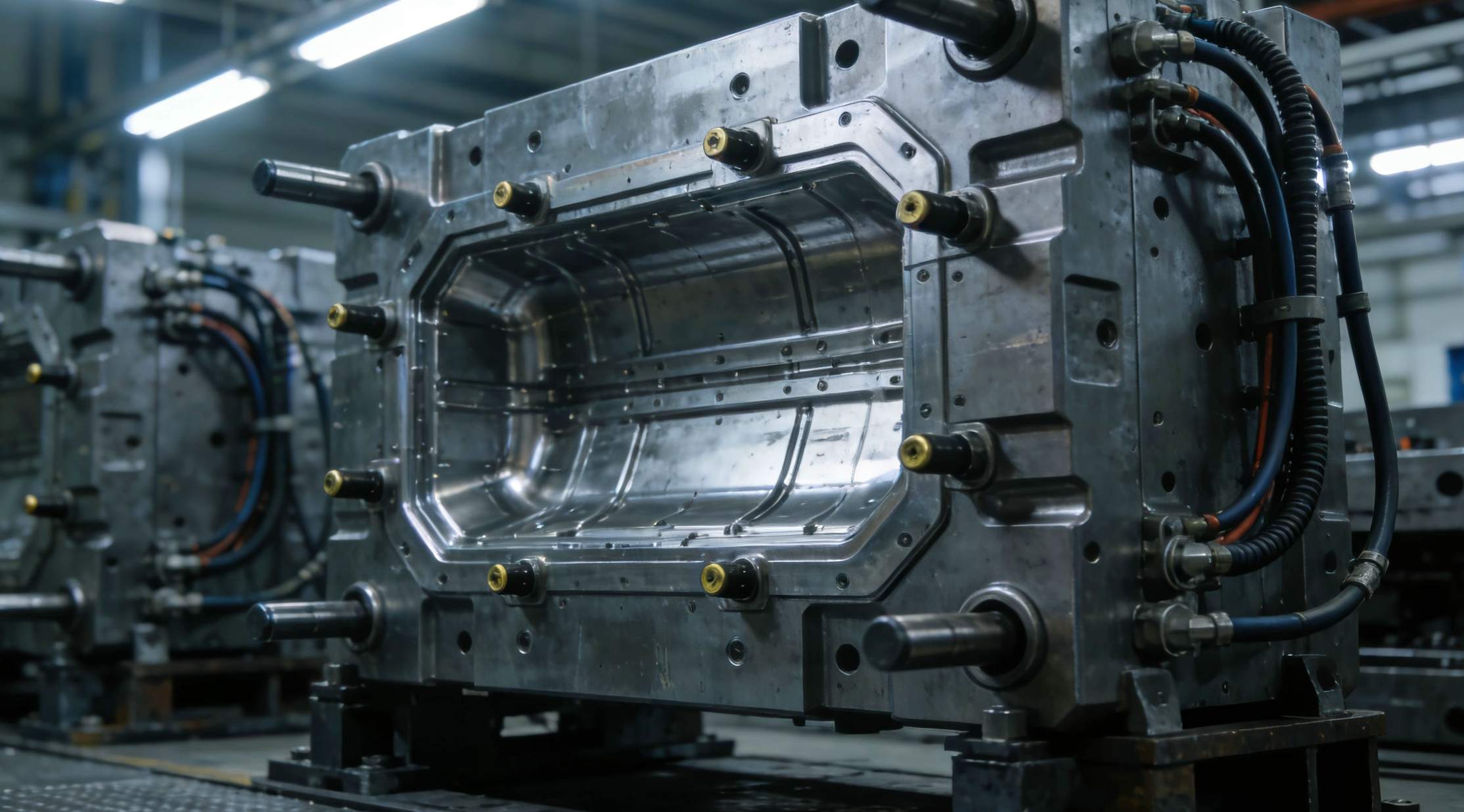
Figure 1: A certain model of automotive mold
Limitations of traditional measurement methods
For a long time, the inspection of automotive molds has mainly relied on coordinate measuring machines (CMM), articulated arms, and traditional measuring tools such as calipers and micrometers. However, these methods still have many limitations when facing modern large, high-precision, and structurally complex molds:
1. Limited measurement range and poor flexibility: Traditional bridge-type coordinate measuring machines are limited by their travel and size, making it difficult to cover large automotive outer cover molds that can be several meters long. For structurally complex deep cavity molds, the probe often cannot reach internal features; when using articulated arms to measure large molds, it often requires multiple "hops" to complete the measurement due to insufficient range, which can easily lead to significant cumulative errors, making it difficult to meet high-precision measurement requirements;
2. Poor on-site adaptability: Most coordinate measuring machines require strict control of temperature and humidity, and should even operate in a constant temperature and humidity laboratory environment. However, molds are often in complex environments such as production sites, debugging workshops, or next to presses, where factors like temperature changes, vibrations, and limited space can affect measurements, leading to significant waste of manpower and time costs;
3. Relatively low efficiency, affecting production progress: Traditional measurement methods usually require lifting and transporting molds to measurement rooms, or performing cumbersome wiring, leveling, and coordinate system establishment on-site, resulting in slow measurement processes and long data acquisition cycles, which severely restricts the debugging and modification progress of molds;
4. Insufficient data completeness: Traditional measuring tools can only obtain discrete point data, making it difficult to perform comprehensive scanning and analysis of the entire profile, easily overlooking small deformations or defects in key areas.
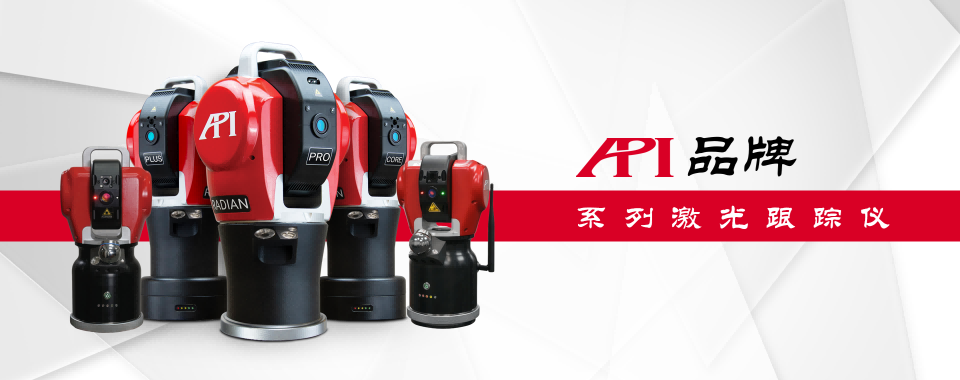
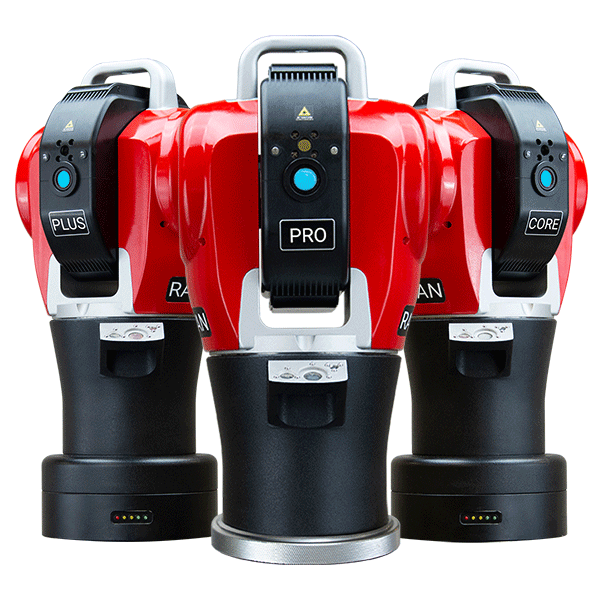
Figure 2: API Radian Laser Tracker (Models from left to right: iLT / Radian Plus / Radian Pro / Radian Core / iLTx)
Advantages of Using Radian Laser Tracker for Automotive Mold Inspection
The API Radian Laser Tracker, with its outstanding performance and innovative design, has brought revolutionary changes to the precision 3D inspection of automotive molds:
1. Ultra-large measurement range and high precision: The Radian series trackers have a measurement range of 160 meters, easily covering the full size from medium and small molds to super-large automotive body molds. Its micron-level (μm, 1/1000mm) spatial measurement accuracy meets the stringent precision requirements for 3D inspection of automotive molds;
2. High portability and on-site adaptability: The equipment is compact and lightweight, allowing a single person to handle and set it up. The powerful environmental compensation feature of the Radian can adapt to complex environments such as workshops, next to presses, or even outdoors, enabling on-site measurements without the need to move the molds to a specific inspection room;
3. Efficient dynamic measurement: With an ultra-high sampling rate of 1000Hz (1000 points/second), operators can quickly scan the mold's shape, profile, and key features, greatly enhancing data collection efficiency and significantly shortening the mold debugging cycle;
4. Strong functional expandability: By using different functional expansion accessories, sensors, and targets, the Radian Laser Tracker can achieve comprehensive inspection from single-point measurement, surface scanning to six degrees of freedom (6DoF) full posture measurement, and automated programming measurement, meeting the diverse needs of mold inspection.
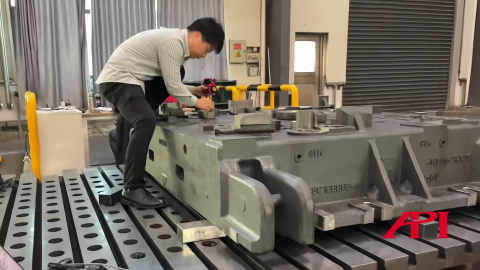
Figure 3: Automotive Mold Measurement Site (Radian + vProbe)
Implementation of Inspection
Below are the implementation steps for conducting 3D inspection of a large automotive stamping mold using the Radian Laser Tracker:
Layout of the Tracking Instrument
First, based on the dimensions of the mold being measured and the on-site environment, select a stable, unobstructed location that allows a clear view of the main measurement area of the mold to set up the Radian laser tracker. Use a tripod or magnetic base to secure the device, connect it to a laptop, and start the measurement software (such as SpatialAnalyzer, Polyworks, Metrolog, Verisurf, MeasurePro, etc.).
Measurement Process
The operator holds the laser tracker target sphere (SMR) with a built-in prism, and the Radian laser tracker emits a laser to the center of the target sphere and locks onto it for tracking. During measurement, the operator touches the point to be measured with the target sphere and stabilizes it (the duration can be set according to needs), and the tracker then measures the spatial coordinates of that point at a rate of 1000 points per second and feeds the data back to the measurement software for recording and subsequent analysis.
In addition to static data collection, a scanning mode can also be used, where the target sphere is pressed against the surface of the mold and slid in a planned direction, allowing for rapid collection of point cloud data. Additionally, by using the vProbe hidden point intelligent probe, measurements of deep holes and hidden points can be achieved.
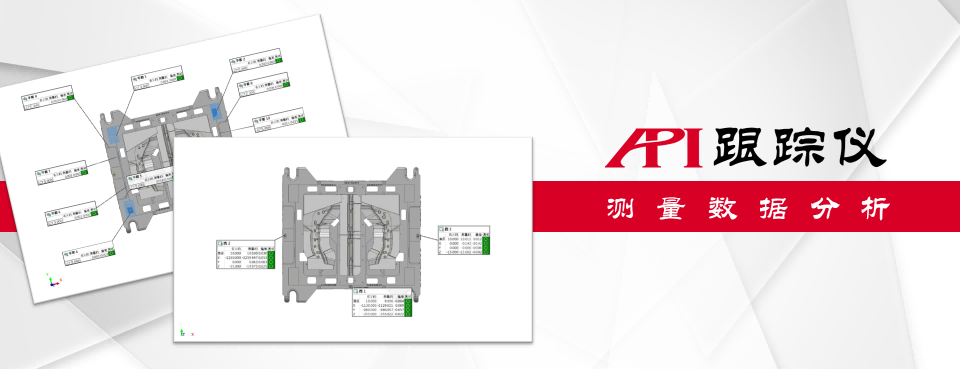
Figure 4: Measurement Data Analysis
Data Analysis
After the measurement is completed, the collected actual data is compared with the original CAD model, and the software automatically generates a deviation color map, visually distinguishing deviation areas by color (e.g., green represents qualified, red represents positive deviation, blue represents negative deviation). At the same time, the software can automatically calculate the numerical results of geometric tolerances such as flatness, positional tolerance, and profile tolerance based on the settings, and automatically analyze the location and amount of deviation in the over-tolerance areas.
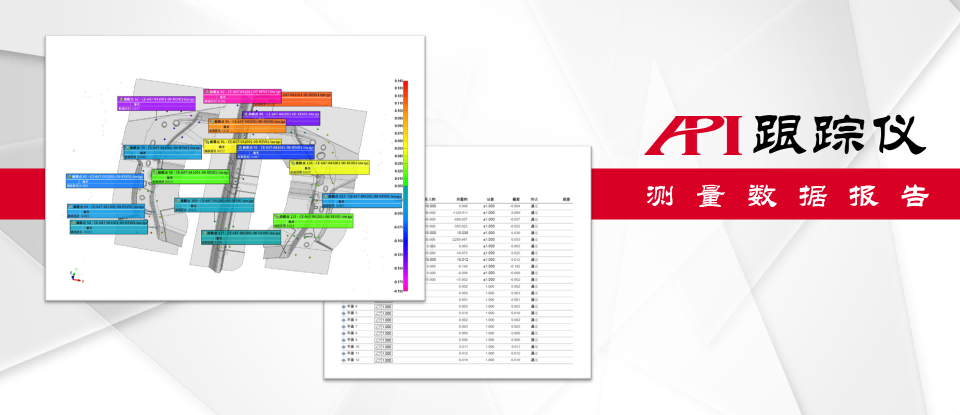
Figure 5: Measurement Data Report
Issuance of Report
According to the analysis results, customize a standardized inspection report template in the software to automatically generate a PDF report that includes deviation chromatograms, key tolerance values, and conclusions of tolerance analysis. The report can be directly exported and shared with the design, process, or production departments as an authoritative basis for mold modification and acceptance.
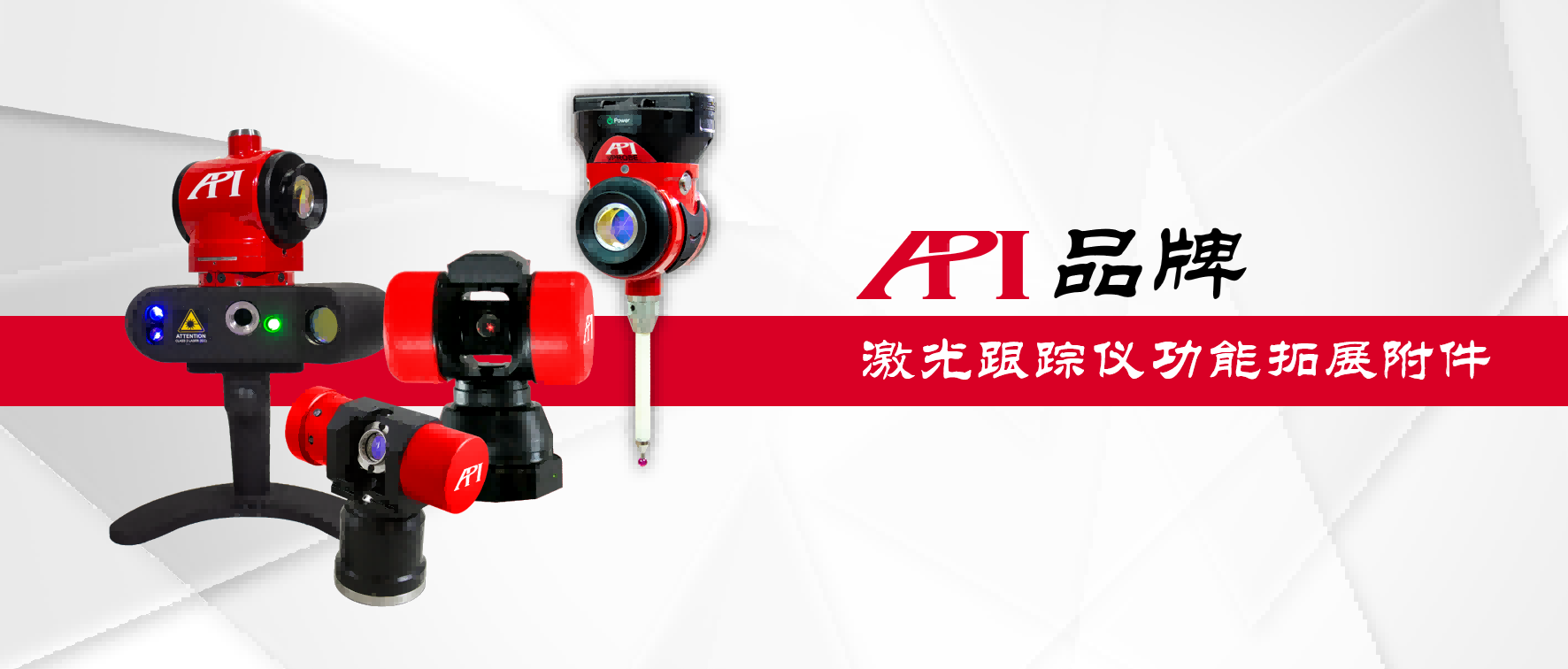
Figure 6: API Laser Tracker Function Expansion Accessories
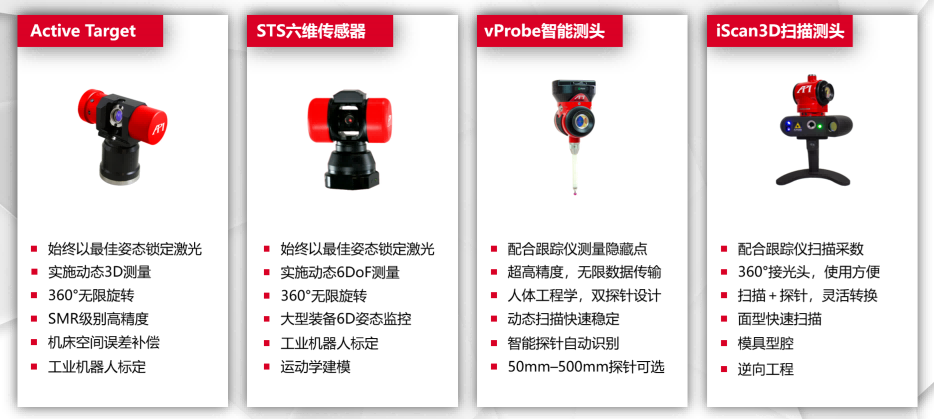
Figure 7: Introduction to API Laser Tracker Accessory Functions
More Function Expansion
In three-dimensional measurement of automotive molds, there are often some special measurement requirements. The API Radian laser tracker, through its rich ecosystem of accessories, provides comprehensive solutions.
1. Deep Hole and Hidden Point Measurement - vProbe Hidden Point Intelligent Probe
Inside automotive molds, there are often complex deep cavity structures, deep holes, or installation surfaces obstructed from view. At this point, the laser tracker cannot measure because the laser beam cannot directly illuminate the SMR target ball. The vProbe hidden point intelligent probe perfectly solves this problem. The vProbe is a wireless, portable contact probe equipped with multiple high-precision sensors. By tracking the laser receiving device on the probe in real-time with the tracker, it can accurately calculate the coordinates of the probe in three-dimensional space. Even if the probe is deep inside the mold or in a laser blind spot, the operator only needs to make contact with the measurement point to easily obtain three-dimensional data of hidden features such as deep holes, grooves, and backsides, greatly expanding the detection range of the tracker.
2. Automated Measurement Scenarios - ActiveTarget Active Target
For scenarios such as robot calibration, detection in hard-to-reach locations, batch testing, or high-frequency repeated measurements, the ActiveTarget active target is a powerful tool for improving efficiency. This is an intelligent target with built-in wireless communication and motion control functions, capable of locking onto the laser of the laser tracker in reverse, ensuring that measurements are not interrupted even during large-scale movements.
3. Six Degrees of Freedom Measurement - STS Six-Dimensional Sensor
In certain testing scenarios, it is necessary not only to know the position of a spatial point (X, Y, Z) but also to understand the object's posture (pitch angle, yaw angle, roll angle). For example, measuring the closing angle of a mold's wedge slider, the pose of a robotic gripper, or the installation posture of a welding fixture. In this case, the STS six-dimensional sensor can be installed on the object being measured. The Radian laser tracker can track the laser receiving device on the STS to calculate the six degrees of freedom (position + posture) data of the sensor center in real-time, achieving comprehensive and dynamic monitoring of the spatial state of complex moving mechanisms or components.
Summary
In summary, the API Radian laser tracker has become an ideal solution in the field of three-dimensional detection for automotive molds due to its ultra-wide range, micron precision, high portability, and powerful capability for functional expansion. It not only overcomes the shortcomings of traditional measurement methods in terms of on-site adaptability, efficiency, and data integrity, but also perfectly addresses complex challenges such as deep holes, concealed points, automation, and six degrees of freedom measurement through groundbreaking accessories like vProbe, ActiveTarget, and STS. With the automotive industry trending towards intelligent manufacturing and high precision and efficiency, the application of the Radian laser tracker significantly enhances the quality and efficiency of mold manufacturing and debugging, providing solid technical support for the precision manufacturing of complete vehicles and components.
Figure 8: API Headquarters Building
About API
The API brand was founded by Dr. Kam Lau in 1987 in Rockville, Maryland, USA. He is the inventor of the laser tracker and holds multiple patents in globally leading measurement technologies, making him a leader in the field of precision measurement technology. Since its establishment, API has been committed to the research and production of precision measurement instruments and high-performance sensors in the mechanical manufacturing field. Its products are widely used in advanced manufacturing sectors around the world and are at the forefront of high-precision standards in coordinate measurement and machine tool performance testing.
相关新闻:
Application of API Laser Tracker in the Measurement and Detection Field of Papermaking Machinery
Detection Requirements of Papermaking Machinery In order to address issues such
API Horizontal Arm Marking Machine Efficient Application in Industrial Production
About the Marking MachineThe marking machine is a measuring device commonly used
Precision 3D Inspection of Large Internal Combustion Engine Components
The Importance of 3D Inspection for Large Internal Combustion Engine ComponentsL
Application of API Laser Tracker in 3D Detection of Shield Machine Components
Importance of 3D Detection of Shield Machine ComponentsThe shield machine is the
Learn More:

激光跟踪仪靶球&测头
Maximize laser tracker productivity with hand held and 激光跟踪仪主动靶标.
Learn More /laser-tracker-targets
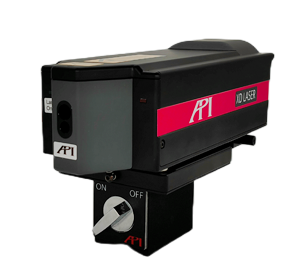
XD Laser CMM Calibration
The XD Laser is the only assessment system that can measure all 6 error parameters simultaneously in a single set-up
Learn More /xd-laser

API Reverse Engineering Service
Reverse engineering services include scan as-built parts to creation of a 3D digital point cloud and CAD Model.
Learn More /reverse-engineering/