

 +86 10 59796858
About the Astronomical Telescope to be Inspected
The object of measurement and inspection in this case is the 2.4-meter diameter astronomical telescope at the Thai National Observatory (TNO). This telescope has a primary mirror diameter of 2.4 meters and is one of the most advanced optical telescopes in Southeast Asia. It can control key error indicators such as overall wavefront error, pointing accuracy, and non-guide star tracking accuracy within a very small range.
The extremely high optical precision requirements impose very stringent standards on the manufacturing precision of various structural components of the telescope. Key structural parts such as the primary mirror chamber, intermediate body, and four-way joints bear the optical elements like the primary and secondary mirrors, and their geometric tolerances directly affect the relative position stability of the primary and secondary mirrors, as well as the overall optical pointing accuracy and tracking precision of the telescope. The coaxiality and end face parallelism of the intermediate body directly determine the rotation accuracy of the azimuth bearing, which in turn affects the pointing and tracking performance of the telescope. Therefore, high-precision 3D geometric tolerance inspection of these large structural components is a necessary prerequisite to ensure the optical imaging quality of the astronomical telescope.
Inspection Items Required
For the structural components of the 2.4-meter diameter astronomical telescope in this case, the following key geometric tolerance items need to be inspected:
① Coaxiality Inspection of Axial Holes: The coaxiality of the axial holes on both sides of the telescope's intermediate body is directly related to the rotation accuracy of the azimuth axis system. The deviation in the center position of the axial holes on both sides must be controlled within 0.03 mm.
② Parallelism of Axial Hole End Faces (Flatness) Inspection: The parallelism error of the end faces of the axial holes on both sides of the intermediate body directly affects the bearing installation accuracy and the rotational stability of the axis system, with a required inspection accuracy better than 0.03 mm.
③ Flatness Inspection of the Primary Mirror Mounting Surface: The flatness of the primary mirror mounting surface directly affects the support accuracy and shape retention capability of the primary mirror, requiring a detection accuracy at the micron level.
④ Position tolerance detection of functional holes: The telescope structure contains a large number of functional holes for installation, positioning, and connection, and their position tolerance deviation directly affects the assembly accuracy and positional relationship of various components.
⑤ Overall three-dimensional size deviation analysis of components: Compare the measured data with the theoretical three-dimensional model to comprehensively assess the manufacturing deviation of structural components, ensuring that all key features meet design tolerance requirements.
Measurement difficulties
The technical difficulties faced by the measurement work in this project:
Firstly, the coexistence of large size and high precision. The dimensions of structural components such as the telescope intermediate body are relatively large, with lengths and spans often exceeding 2 meters, while the detection precision requirements are at the level of tens of micrometers. For smaller intermediate bodies, geometric tolerance detection can be completed on a coordinate measuring machine; however, for large-sized intermediate bodies, their structural dimensions exceed the range of most coordinate measuring machines, making effective measurement difficult. The dual demand for large size and high precision makes it challenging for traditional detection methods to accommodate both.
Secondly, geometric tolerance detection involves multi-coordinate spatial relationships. Several detection items such as coaxiality, parallelism, flatness, and position tolerance need to be analyzed under a unified spatial coordinate system, and precise comparison of measured data with theoretical models is required, which places high demands on the multi-dimensional data processing capabilities of measurement instruments and software.
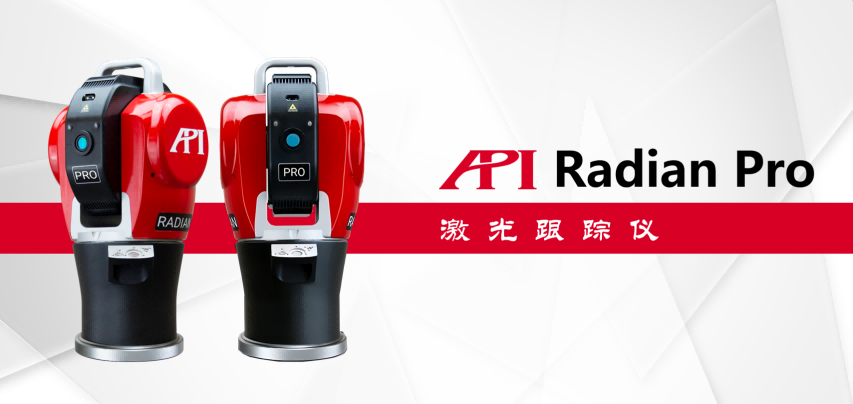
Figure 1: API brand Radian Pro model laser tracker
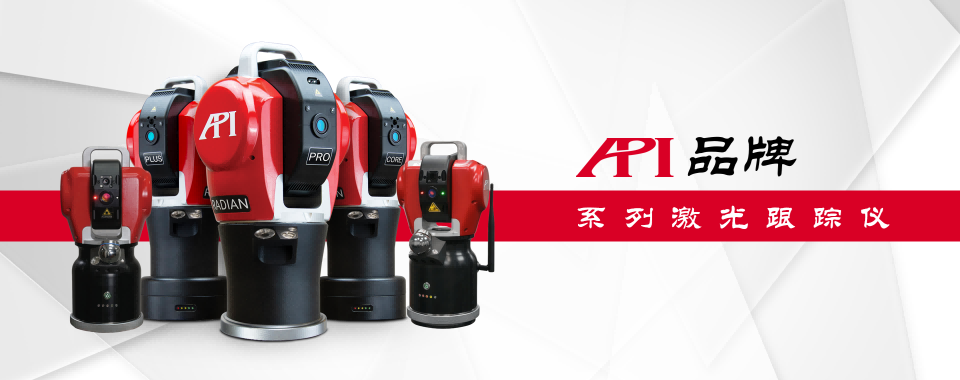
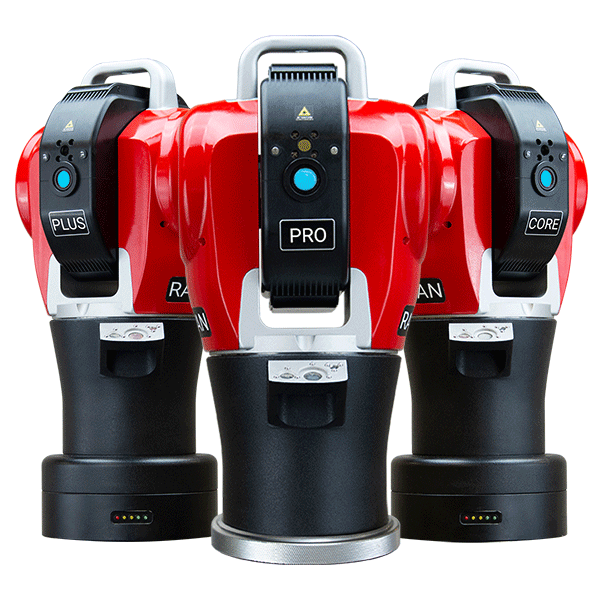
Figure 2: API series laser trackers (models from left to right: iLT / Radian Plus / Radian Pro / Radian Core / iLTx)
API solutions
The API brand Radian Pro laser tracker is a professional three-dimensional precision measurement device designed for high-precision spatial large-size coordinate measurement scenarios. This device is equipped with an IFM interferometric laser and an ADM absolute laser dual laser collaborative measurement system. The IFM interferometric laser serves as a reference standard for length measurement, ensuring the traceability and highest accuracy of measurement data; the ADM absolute laser supports rapid light interruption and reconnection capabilities, balancing measurement stability and operational efficiency.
The Radian Pro laser tracker has micron-level spatial measurement accuracy, a measurement range of over 160 meters, and a data acquisition rate of up to 1000 points per second. Additionally, the Radian Pro features a lightweight portable design, with the laser head weighing only about 9 kg and the total system weight (including packaging and accessories) around 23 kg, making it easy to transport on-site and for multi-scenario operations; it is also equipped with an automatic compensation system for temperature, humidity, and air pressure, allowing it to quickly adapt to the on-site environment.
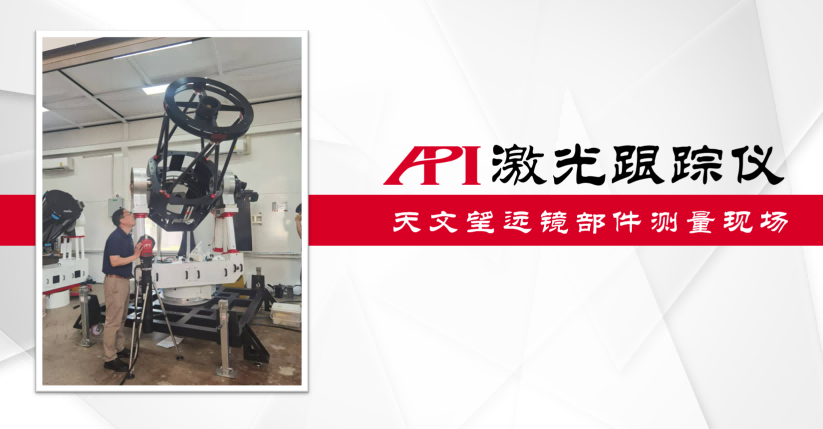
Figure 3: Measurement site of this case (i)
Measurement Implementation Process
In the structural component inspection project of the 2.4-meter aperture astronomical telescope at the National Astronomical Observatory of Thailand, the API team used the Radian Pro laser tracker, along with target spheres and hidden point measurement accessories, to develop a systematic three-dimensional inspection plan:
① Equipment layout and system establishment. The measurement engineer set up the Radian Pro laser tracker at suitable positions around the structural components of the telescope to be measured, connected the measurement software, powered on the equipment, and established the measurement reference coordinate system.
② Coaxiality measurement of the shaft holes. For the coaxiality detection of the shaft holes on both sides of the telescope's intermediate body, the engineer held a high-precision SMR target sphere with a built-in prism, collecting multi-point coordinate data evenly along the circumference inside the shaft holes; the Radian Pro laser tracker collected three-dimensional coordinates in real-time at a data acquisition rate of 1000 Hz, with data transmitted to the measurement software. The software determined the coordinates of the circular centers of the two shaft holes through fitting algorithms, and then calculated the coaxiality deviation value.
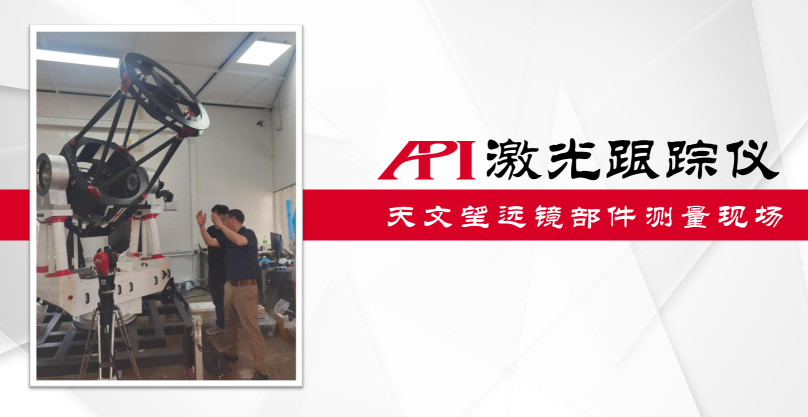
Figure 4: Measurement site of this case (ii)
③ Parallelism measurement of the end faces. For the detection of the parallelism (flatness) of the shaft hole end faces, the engineer used the target sphere to collect spatial coordinates at multiple positions on the end face, with sampling points evenly covering the entire end face area. The measurement software constructed a plane model based on the collected point cloud data, analyzing the angular deviation and parallelism error between the two end faces.
④ Functional hole positional accuracy and three-dimensional dimensional deviation analysis. Each mounting hole was measured point by point to determine the actual spatial position of each hole. All measured data was imported into the measurement software for automatic comparison with the theoretical three-dimensional model of the telescope's structural components, achieving a comprehensive assessment of hole positional accuracy, surface profile accuracy, and other geometric tolerances. A measurement report can be automatically generated, visually displaying the deviation values and qualification determinations for each inspection item.
⑤ Real-time adjustment guidance. Based on the powerful dynamic measurement performance of the Radian series laser trackers, if any components need on-site adjustment, the "adjustment" function can be used for real-time guidance. The operator attaches the target sphere to the workpiece, and through real-time tracking measurement, the three-dimensional coordinates of the fixed point are instantly displayed on the screen, with the system providing real-time prompts for deviation direction and amount, guiding the operator to adjust the workpiece to the designed theoretical position.
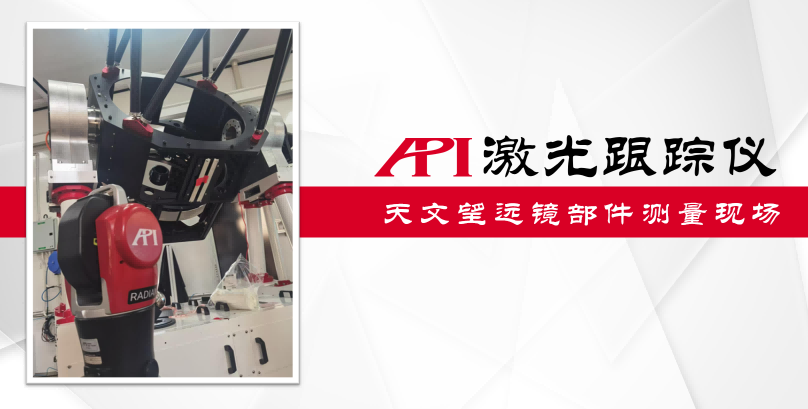
Figure 5: Measurement site of this case (iii)
More expansions
In addition to the geometric tolerance detection of the telescope structural components introduced in this case, the API laser tracker has the following extensive applications in the field of astronomical telescope manufacturing and usage:
① Large aperture standard mirror manufacturing detection: During the manufacturing process of large aperture standard mirrors, the Radian Pro laser tracker can replace high-precision coordinate measuring machines to perform online detection of the flatness, surface shape accuracy, and other parameters of optical glass components. By using a 90-degree inclined installation method and employing a dynamic continuous scanning measurement mode for point sampling (point spacing of 1-2 mm), the difference compared to the high-precision coordinate measurement PV value is only 4.7 μm, achieving measurement performance on par with high-precision coordinate measuring machines. (Please refer to the case article "API Laser Tracker Achieves High-Precision Measurement in the Manufacturing Field of Large Aperture Standard Mirrors for Astronomical Instruments")
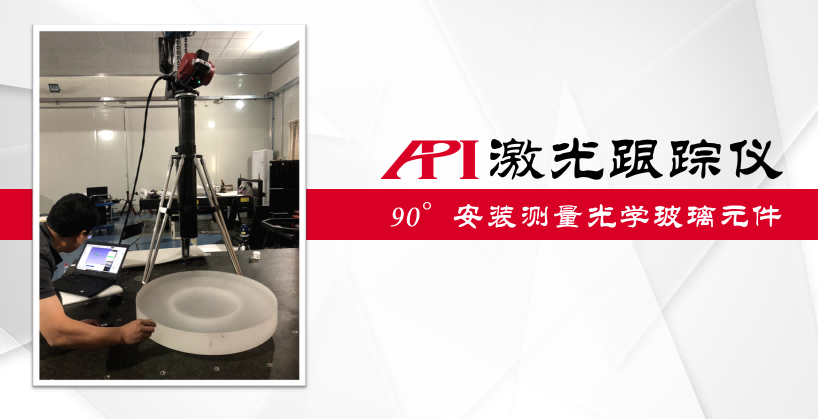
Figure 6: Radian Pro laser tracker measuring optical glass components with a 90° inclined installation
② Online detection of aspheric mirrors: In the interference testing of aspheric mirrors, the laser tracker undertakes the detection tasks of optical parameters (off-axis amount, vertex curvature radius, optical axis deviation error), suitable for general detection during the grinding stage of large aperture aspheric mirrors. Using the laser tracker for online detection can significantly improve grinding efficiency.
③ Splicing the primary mirror adjustment and alignment: For large telescopes using splicing mirror technology, the Radian laser tracker can be used for the initial adjustment of the primary mirror, measuring the out-of-plane and in-plane degrees of freedom and positional attitude of the sub-mirrors, achieving precise alignment and co-phasing of multiple sub-mirrors.
④ Telescope truss alignment: For the alignment needs of large aperture telescope primary and secondary mirrors, a laser truss active alignment system can be constructed based on laser interferometric distance measurement, utilizing the high-precision distance measurement capability of the laser tracker to ensure accurate measurement and control of the spatial attitude of the primary and secondary mirrors.
⑤ National-level astronomical major project overall measurement: API has actively participated in a series of national major scientific and technological projects in China, including the FAST large telescope ("China Sky Eye"), lunar rover ground testing, and manned space docking experiments, providing comprehensive high-precision three-dimensional measurement solutions for various advanced astronomical projects. (Please refer to the case article "Application of API Laser Tracker in the 500-meter Aperture Spherical Radio Telescope Project of the National Astronomical Observatory of China.")
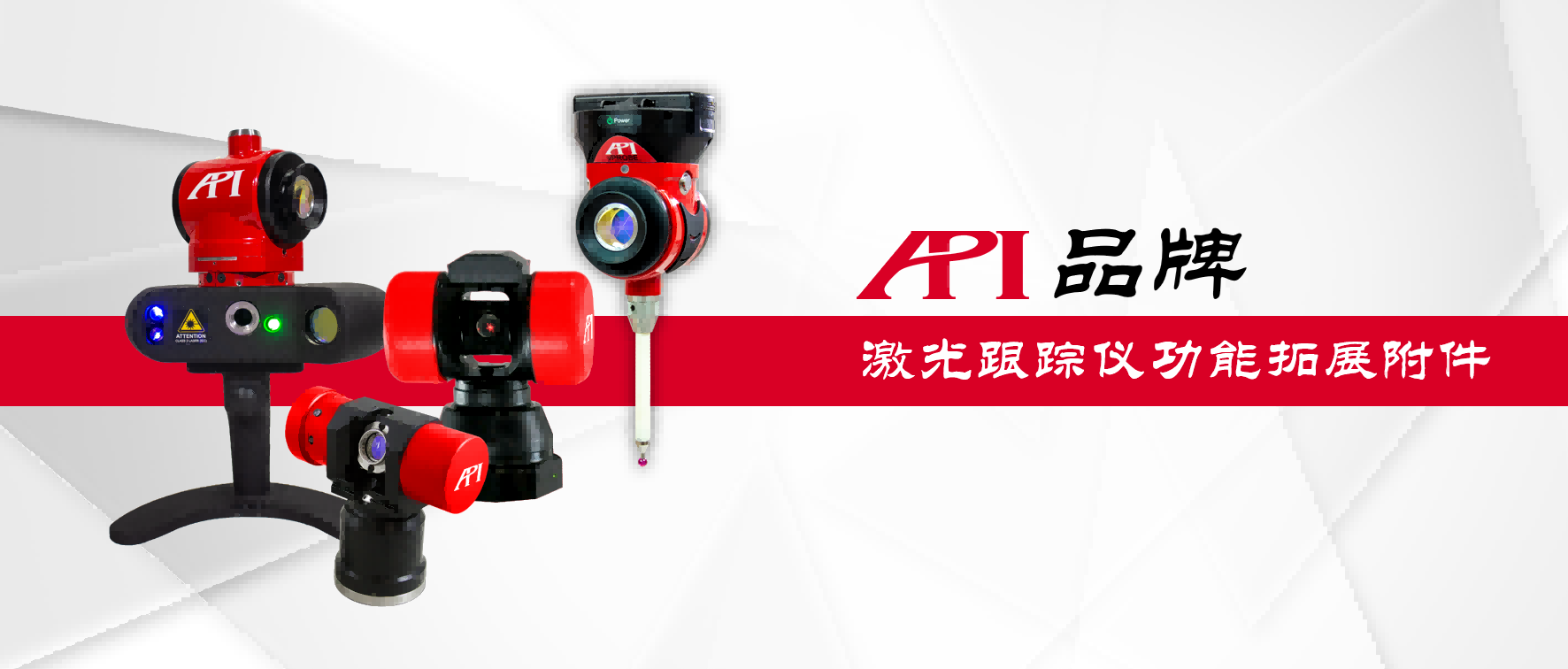
Figure 7: API laser tracker functional expansion accessories
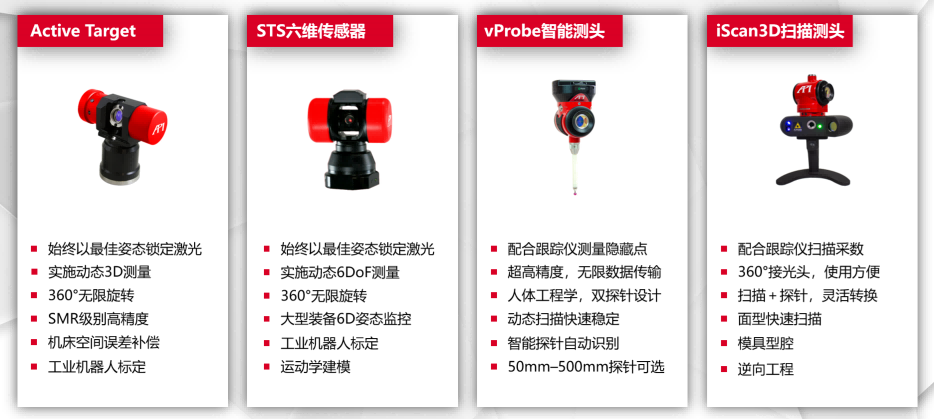
Figure 8: Introduction to the functions of API tracker accessories
Summary
The structural component inspection project of the 2.4-meter aperture astronomical telescope at the National Astronomical Observatory of Thailand fully demonstrates the unique advantages of the API Radian Pro laser tracker in the field of large-size precision measurement. Faced with the three-dimensional inspection needs of large structural components such as telescope intermediates, which require "large size, high precision, and strict tolerances," traditional coordinate measuring machines have insufficient range, and conventional measurement methods such as table methods have limited accuracy and cumbersome operations. The Radian Pro laser tracker, with its micron-level measurement accuracy, an ultra-large measurement range of over 160 meters, metrology traceability provided by IFM interferometric lasers, and high-speed data acquisition capability of 1000 Hz, along with a rich array of functional expansion accessories and professional measurement analysis software, achieves comprehensive precision three-dimensional measurement and evaluation of multiple key geometric tolerances such as coaxiality of shaft holes, parallelism of end faces, and positional tolerances of holes.
This solution not only accurately completed the geometric tolerance inspection task of the telescope structural components, but its technical approach can also be widely applied in various key scenarios such as primary mirror manufacturing inspection of astronomical telescopes, splicing mirror adjustment alignment, spatial positioning of truss structures of mirror tubes, and surface shape measurement of large radio telescope antennas, providing reliable three-dimensional measurement data support for the manufacturing, assembly, and operational monitoring of large astronomical telescopes, making it an excellent industrial measurement solution that drives the manufacturing of astronomical optical instruments towards higher precision.

Figure 9: API company headquarters building
About API
The API brand was founded by Dr. Kam Lau in 1987 in Rockville, Maryland, USA. He is the inventor of the laser tracker and holds multiple patents in globally leading measurement technologies, making him a leader in the field of precision measurement technology. Since its establishment, API has been committed to the research and production of precision measuring instruments and high-performance sensors in the mechanical manufacturing sector. Its products are widely used in advanced manufacturing fields around the world and are at the forefront of high-precision standards in coordinate measurement and machine tool performance testing.
相关新闻:
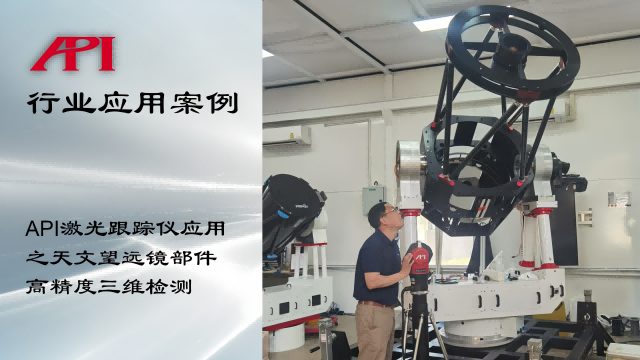
Application of API Laser Tracker High-precision 3D Inspection of Astronomical Telescope Components
About the Astronomical Telescope to be InspectedThe object of measurement
Maintenance Measurement of the Shock Absorber Base for Rail Locomotives
Maintenance of the Shock Absorber Base for Rail LocomotivesThe shock absorber is

Precision 3D Measurement of Special Vehicle Components
Special Vehicle ManufacturingSpecial vehicles refer to work vehicles that are sp
Application of API Laser Tracker in the Detection and Calibration of Humanoid Robots
Introduction to the Development of Humanoid RobotsHumanoid robots are now transi
Learn More:

激光跟踪仪靶球&测头
Maximize laser tracker productivity with hand held and 激光跟踪仪主动靶标.
Learn More /laser-tracker-targets
XD Laser CMM Calibration
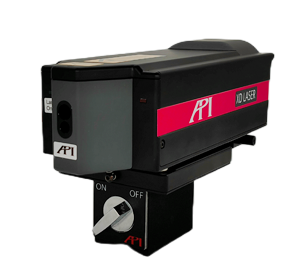
The XD Laser is the only assessment system that can measure all 6 error parameters simultaneously in a single set-up
Learn More /xd-laser

API Reverse Engineering Service
Reverse engineering services include scan as-built parts to creation of a 3D digital point cloud and CAD Model.
Learn More /reverse-engineering/