

 +86 10 59796858
About the Hydropower Industry
Hydropower is a clean energy source that is renewable, non-polluting, and beneficial for improving resource utilization. In the context of increasingly strained traditional energy sources on Earth, the development of hydropower has rapidly advanced.
In China, both the reserves of hydropower resources and the exploitable hydropower resources rank among the top in the world. With the completion of well-known hydropower projects such as the Three Gorges, Baihetan, and Xiluodu, the design, construction, and equipment manufacturing of hydropower stations have reached an internationally leading level, making China one of the countries that export technology in the hydropower industry.
The rapid development and continuous growth of the industry have inevitably raised higher standards for the manufacturing, installation, and commissioning of hydropower projects, thus requiring more rigorous and efficient measurement and testing work in these processes.
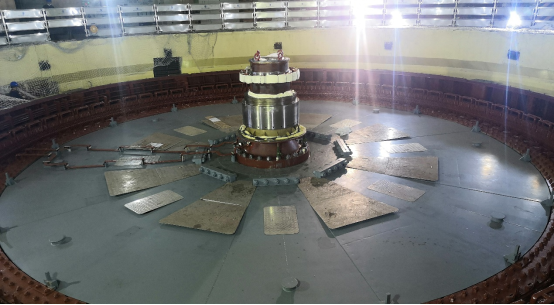
Figure: Hydropower Maintenance Site
Measurement Needs and Challenges in the Hydropower Industry
1. Typical Requirements
When installing or conducting large-scale maintenance on hydraulic turbine generator units, it is necessary to measure the roundness of the rotor. Typically, the tolerance requirement for the outer diameter of large hydraulic turbine rotors is around 1mm to ensure roundness and coaxiality, thereby ensuring uniformity in the air gap with the stator and consistency in the height of the magnetic pole center with the height of the stator center.
During the operation of a large water turbine generator rotor, the gap between the rotor and the stator is very small, generally only 8 to 40 mm. The generator main shaft drives the rotor, water machine main shaft, and runner to rotate at speeds of several hundred to over a thousand revolutions per minute (the total weight of the rotating unit is generally over 10 tons). If the roundness of the rotor's outer circle does not meet the requirements, the gap with the stator will be uneven, causing significant vibrations during the rotation of the unit, which affects power generation. If the height of the magnetic pole center is inconsistent with the height of the stator center, it will also affect power generation; therefore, it is very important to control the roundness, coaxiality, and center height error of the rotor's outer circle within the ideal range.
2. Other Measurement Requirements
Measure the cylindrical shape and diameter parameters of the rotor.
Measure the cylindrical shape and diameter parameters of the stator.
Measure the coaxiality of related components and provide guidance for installation adjustments.
Measure the roundness and cylindrical shape of the workpiece and other related dimensions.
High-precision measurements and adjustment guidance related to geometry or spatial position on the production line.
Traditional Measurement Methods and Issues
Traditional measuring instruments and tools, such as roundness measuring frames, levels, centering devices, internal or external micrometers, dial indicators, calipers, etc., require the use of multiple instruments or tools to obtain measurement results, and then gradually calculate to derive the measurement results, introducing a large amount of cumulative error, which leads to a decrease in measurement accuracy and reliability.
For example, traditional rotor roundness measuring devices are cumbersome in adjusting the coaxiality with the rotor. It requires setting up a centering device and repeatedly measuring and calibrating with piano wire to find the center of the rotor body before adjusting the roundness measuring device to the rotor center, which is time-consuming and labor-intensive. Moreover, when the rotor reference is not based on the rotor body’s annular surface, traditional roundness measuring devices cannot be used.
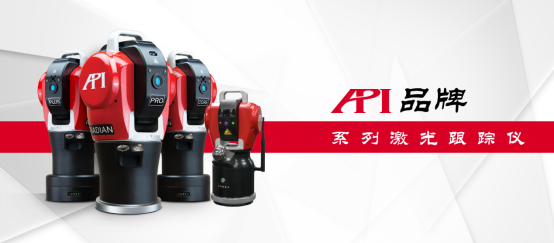
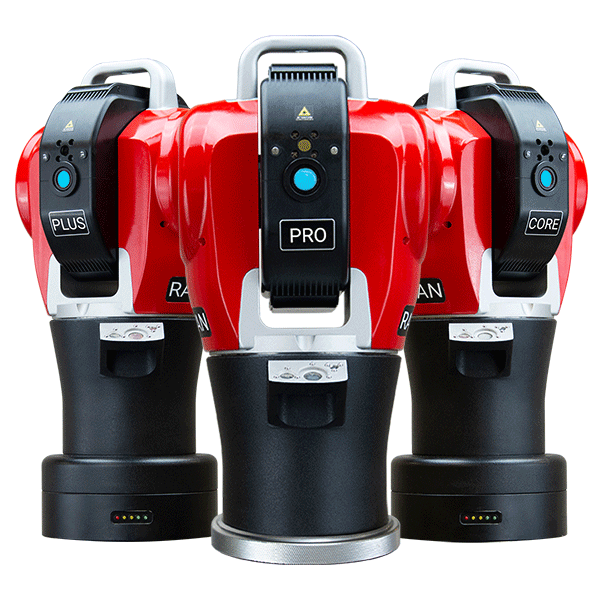
Figure: API brand series laser trackers (from left to right: Radian Plus / Radian Pro / Radian Core / iLT)
Radian Laser Tracker Measurement Characteristics
The Radian laser tracker from API is a high-precision 3D/6D measuring instrument with a large measurement range, making it very suitable for measurement and inspection tasks in various stages of hydropower station projects.
Simply set up the Radian laser tracker next to the target to be measured, and you can start the measurement operation; during the measurement, place the Radian laser tracker within the system coordinate system. The emitted laser will track the SMR (tracker target) in the operator's hand. The operator only needs to hold the target and touch the area where data needs to be collected, and the tracker will automatically collect the three-dimensional measurement data of that data point, send it to the laptop, and record it in the measurement software for subsequent processing and analysis.
Once the data collection for all test points is completed, the operator can set, analyze, and compare this data with the nominal values in the measurement software, thereby obtaining the error of the actual values and achieving the detection effect.
Radianlaser tracker has a precision of micrometers (μm) and exceeds 80The measurement radius of the meter, as well as the extremely large measurement angle range, is designed to be compact and small, allowing for installation and operation in any orientation. It can fully meet the requirements for measurement accuracy, efficiency, and range in various aspects of hydropower station projects. Among them, the Radian Plus and Radian Core models also use battery power and wireless communication systems, completely freeing them from the constraints and troubles of various cables, making the entire measurement process easier to control.
Performance Characteristics of iLT Laser Tracker
The newly launched iLT laser tracker further reduces the overall size of the laser tracker by 50% (compared to the Radian series) while achieving completely wireless measurement. The entire unit weighs only 4.9 kg, maximizing its portability and fully meeting the needs for applications in outdoor, field, confined spaces, and multi-machine integration environments.
API Laser Tracker Measurement Example in the Hydropower Industry
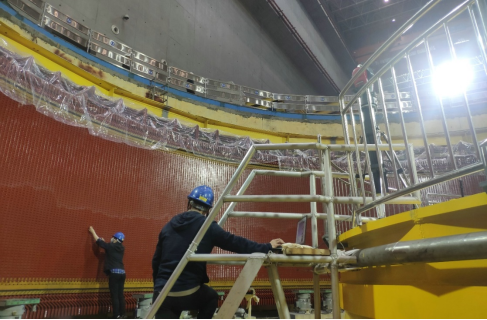
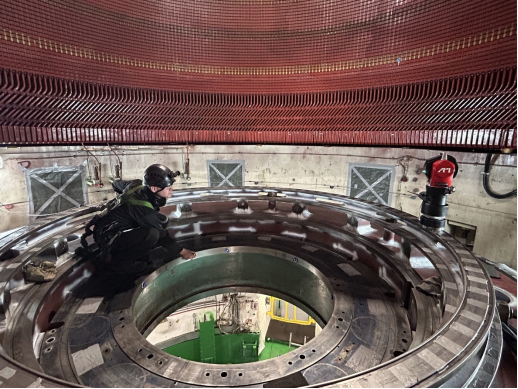
1. Detection of Stator Cylindricity & Diameter
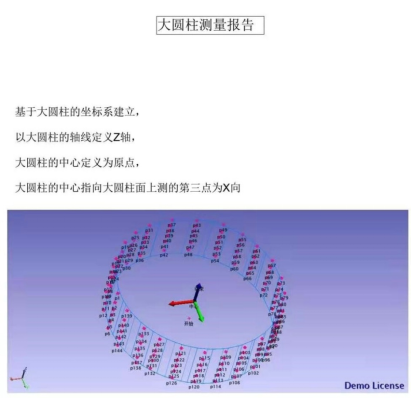
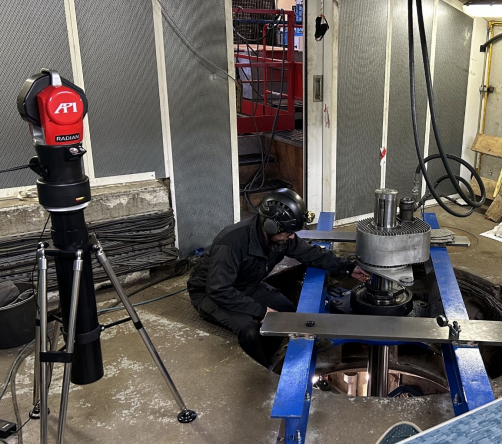
2. Detection of the upper shaft of the generator: Measure the roundness, analyze the deformation amount through the cross-sectional circle, and measure the coaxiality of the upper and lower cylindrical sections to observe the deviation status.
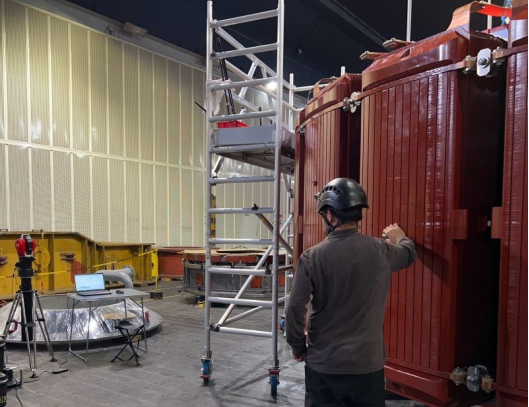
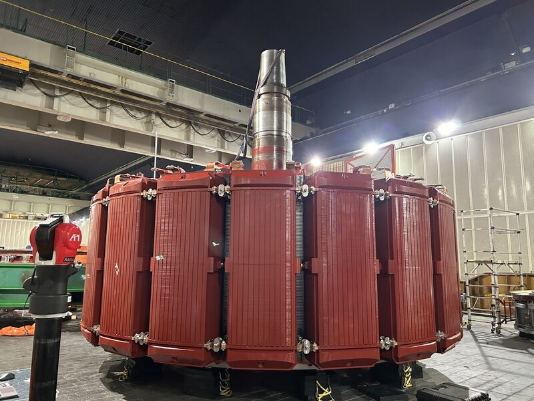
Other hydropower inspection site sharing
Summary
Based on the working characteristics of the API brand Radian/iLT laser tracker, which include high precision, large range, wide angles, flexibility, portability, and ease of operation, high-quality precision measurement solutions can be provided for manufacturing, installation, debugging, and maintenance in hydropower station projects, fully meeting the high standards of measurement accuracy and convenience required by the hydropower industry.
相关新闻:
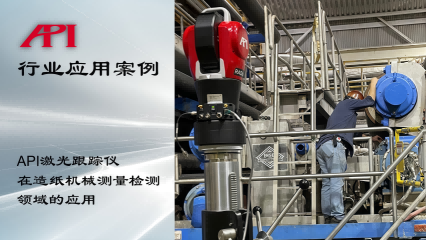
Application of API Laser Tracker in the Measurement and Detection Field of Papermaking Machinery
Detection Requirements of Papermaking Machinery In order to address issues such

API Horizontal Arm Marking Machine Efficient Application in Industrial Production
About the Marking MachineThe marking machine is a measuring device commonly used
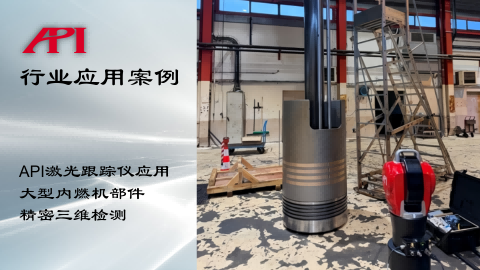
Precision 3D Inspection of Large Internal Combustion Engine Components
The Importance of 3D Inspection for Large Internal Combustion Engine ComponentsL
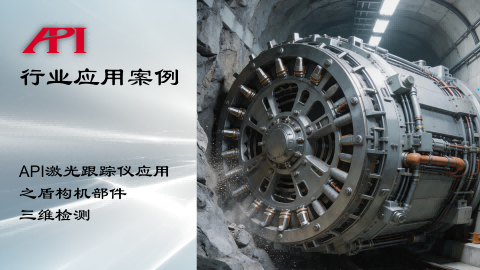
Application of API Laser Tracker in 3D Detection of Shield Machine Components
Importance of 3D Detection of Shield Machine ComponentsThe shield machine is the
Learn More:

激光跟踪仪靶球&测头
Maximize laser tracker productivity with hand held and 激光跟踪仪主动靶标.
Learn More /laser-tracker-targets
XD Laser CMM Calibration
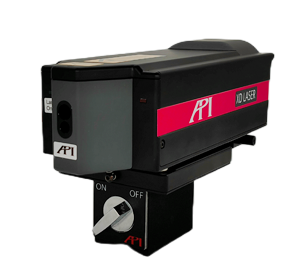
The XD Laser is the only assessment system that can measure all 6 error parameters simultaneously in a single set-up
Learn More /xd-laser

API Reverse Engineering Service
Reverse engineering services include scan as-built parts to creation of a 3D digital point cloud and CAD Model.
Learn More /reverse-engineering/